Dreaming of smooth, hair-free skin? You’re in the right place! The 808 nm diode laser hair removal is one of the most effective and safe technologies to eliminate unwanted hair. Today, I’ll tell you everything you need to know. Sit back, relax, and let me guide you on this journey to perfect skin!
Table of Contents
Understanding Hair: A Small Yet Complex World
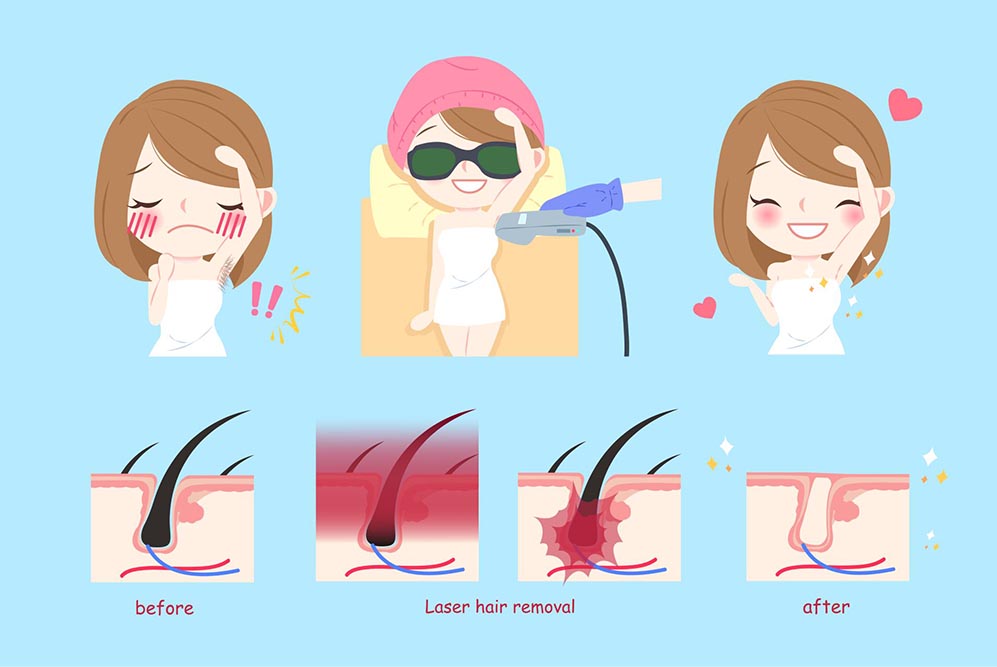
PBefore diving into laser hair removal, let’s take a closer look at our “enemy”… or rather, hair! Each hair on our skin is primarily made up of keratin (yes, the same protein found in your nails and hair). The color of the hair is determined by melanin, a pigment that the laser targets to directly disable the hair follicle.
Hair doesn’t grow at the same rate everywhere, and this depends on several factors. However, it does follow three distinct growth phases:
- Anagen (Growth): This is the active growth phase when the hair is firmly anchored in the follicle. The laser is most effective during this stage because melanin is highly concentrated in the follicle.
- Catagen (Transition): During this phase, the follicle “shuts down,” and the hair stops receiving nourishment.
- Telogen (Rest): Finally, the hair falls out to make way for a new growth cycle.
But the story doesn’t end there! The hair cycle varies greatly depending on the area of the body. For example, leg hair may have a longer Anagen phase than hair on the face or bikini area. Other factors like age, hormones, diet, blood circulation, and overall health also play a critical role. For instance, a hormonal imbalance can speed up the hair cycle and increase hair density, while good circulation promotes healthy regrowth.
Interestingly, the hair cycle can also change over time. During adolescence, follicles are more active, but as we age, they tend to slow down, producing finer or fewer hairs. Even stress can have an impact, either speeding up or temporarily disrupting the growth cycle.
This is why laser sessions need to be spaced out and personalized. Everyone is different, and treatments must be tailored to target as many hairs as possible during the Anagen phase. Relying on a qualified professional is not just important—it’s essential to achieve the best results for all skin types and conditions. Precision and expertise make all the difference!
How Does the 808 nm Diode Laser Work?
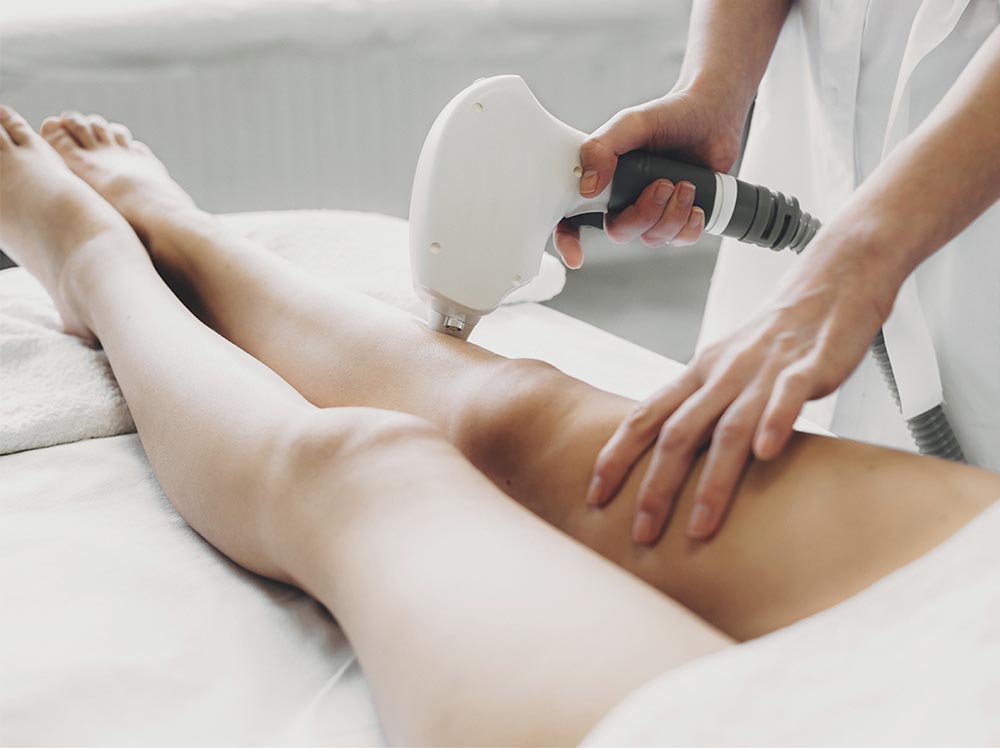
Imagine a highly precise beam of light that focuses solely on the melanin in the hair follicle. That’s the 808 nm diode laser! Thanks to its specific wavelength, the laser emits light that penetrates the skin and targets the follicle’s melanin (the dark pigment that gives hair its color). This light transforms into heat, which warms and damages the follicle. The result? Hair becomes thinner and sparser, and its regrowth slows significantly.
The magic lies in its selectivity: the laser “sees” only the melanin and leaves the surrounding skin untouched. This makes the treatment safe and suitable for a wide range of skin and hair types. However, individuals with white or very light hair may not achieve the same results, as there is less melanin for the laser to target. A key advantage of the 808 nm diode laser is its ability to treat large areas, such as the legs or back, quickly. Additionally, modern machines are equipped with cooling systems that protect the skin from heat, making the procedure more comfortable and safe.
Another important feature is that this laser works exceptionally well on darker skin tones. Unlike IPL (Intense Pulsed Light), which can sometimes cause irritation or burns on medium to dark skin, the diode laser is much more selective and precise, targeting only the melanin in the hair and not in the skin. This makes it ideal for a wide range of people, regardless of skin color.
Laser hair removal is progressively permanent. This means that hair doesn’t disappear all at once, but with each session, the treatment becomes more effective. Treated hair becomes weaker and finer, and over time, the skin appears smoother, eventually leaving you almost hair-free.
The laser works best during the Anagen phase, the active growth stage when the follicle contains the most melanin and is easier to target. However, since not all hairs grow simultaneously, multiple sessions are needed to treat all follicles during this phase.
With the 808 nm diode laser, you can finally say goodbye to waxing and shaving. With patience and consistency, you’ll achieve smooth, hair-free skin while saving time and energy for good!
What is a Skin Phototype? Explained Simply
The phototype is a way to classify skin based on how it reacts to the sun. Essentially, it indicates whether your skin burns easily or tans effortlessly. This depends on the amount of melanin, the pigment that gives skin its color and protects it from the sun’s rays.
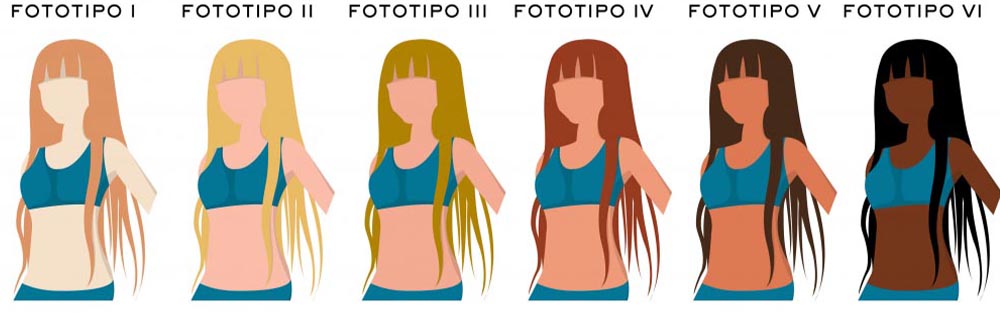
Dermatologists use the Fitzpatrick scale, which divides skin into six categories:
- Phototype I: Very fair skin, often with freckles. Always burns and never tans (think of people with red or blonde hair and light-colored eyes).
- Phototype II: Fair skin. Burns easily and tans minimally (e.g., delicate skin with blonde or light brown hair).
- Phototype III: Fair skin, but more resilient. Burns moderately and tans gradually.
- Phototype IV: Darker or olive-toned skin. Rarely burns and tans easily.
- Phototype V: Dark skin. Very rarely burns and tans deeply.
- Phototype VI: Very dark or black skin. Never burns and always tans intensely.
Why is it Important to Know Your Skin Phototype?
Sapere qual è il tuo fototipo è utile per due motUnderstanding your phototype is helpful for two main reasons:
- Protecting your skin from the sun: The lighter your skin, the more sensitive it is to UV rays. This means that people with Phototype I or II should use high sunscreen protection (SPF 50+), while those with Phototype V or VI have a greater natural defense.
- Choosing the right aesthetic treatments: Laser hair removal, for example, is safe for nearly all phototypes but requires specific equipment for darker or tanned skin, such as the 808 nm diode laser. This laser is precise and selective, making it ideal even for higher phototypes.
Knowing your phototype helps you care for your skin more consciously. Now that you understand it, you can choose the treatments best suited to your needs!
The Benefits (and Some Truths) About Laser Hair Removal
Why Are More People Choosing the 808 nm Diode Laser? The answer is simple: it’s an effective, convenient, and long-term solution for removing unwanted hair. However, like any treatment, it has its strengths and some limitations. Let’s dive deeper into everything you need to know, while also debunking a few myths.
The Advantages of the Diode Laser
- Long-Term Effectiveness: One of the main reasons the diode laser is so popular is its ability to drastically reduce hair permanently. This means no more worrying about waxing or shaving every month. After completing a full treatment cycle, most people achieve a 70-90% reduction in hair, with only minimal annual touch-ups needed.
- Safety: When performed by experienced professionals using certified equipment, the treatment is extremely safe. The laser targets only the melanin in the hair, protecting the surrounding skin. Thanks to modern cooling systems, the risk of burns or irritation is minimized.
- Suitable for Almost Every Body Area: From smaller areas like the face or underarms to larger ones like legs and back, the laser can be used on nearly any part of the body. It’s also ideal for sensitive areas like the bikini line, where other methods can be painful or cause irritation.
- Comfort During the Treatment: With advanced cooling systems, the procedure is much more tolerable than it used to be. The sensation is often described as a light tingling or mild warmth, and many find it far less uncomfortable than waxing.
- Reduction of Ingrown Hairs and Folliculitis: If you struggle with ingrown hairs or folliculitis (those annoying bumps and irritations after shaving or waxing), the laser can be a real game-changer. By targeting the follicle at the root, these issues are significantly reduced, leaving your skin smoother and healthier.
The Disadvantages of Diode Laser Hair Removal (And How to Address Them)
- Contraindications: While safe, the diode laser has some contraindications, such as health issues (e.g., tumors, autoimmune diseases, photosensitive epilepsy, or active infections), photosensitizing medications (e.g., antibiotics, retinoids, or similar drugs that may cause irritation), skin conditions (e.g., dermatitis, psoriasis, vitiligo, or recent scars), and pregnancy or breastfeeding (not recommended as a precaution).
- Ineffective on White or Very Light Hair: Since the laser targets melanin, it is not effective on pigment-free hair, such as white, gray, or very light blonde. For these hair types, alternatives like electrolysis may be necessary.
- Not an Immediate Solution: The laser does not eliminate all hair in a single session. Multiple treatments, typically 6 to 12, are required to achieve optimal results because hair grows in cycles, and the laser is only effective during the Anagen (active growth) phase.
- Cost: The treatment may seem expensive compared to other options, but in the long term, it is an investment that saves time and money by eliminating the need for waxing, shaving, and depilatory creams.
- Requires Consistency: To achieve the best results, it’s essential to stick to the treatment schedule and follow the professional’s instructions. Skipping sessions can prolong the treatment timeline.

Preparing for the Treatment: Tips and Precautions
To achieve the best results with the diode laser, it’s essential to prepare your skin properly. There are a few simple yet crucial rules to follow to avoid issues and maximize the treatment’s effectiveness.
What to Do Before the Treatment
- No Waxing or Tweezing!
The laser works by targeting the melanin in the hair follicle, so the follicle must be present. If you remove hair with waxing or tweezing, you also remove the follicle, leaving no pigment for the laser to target. Instead, use a razor to trim the surface hair 1-2 days before the session. This ensures the hair is visible but short, making it ideal for treatment. - Avoid Sun Exposure and Tanning Beds.
Sun exposure should be avoided for at least a week before and after the treatment. Tanned skin contains more melanin, which may confuse the laser. Additionally, tanned skin can negatively affect the laser’s results and increase the risk of side effects. - Stop Using Scented or Photosensitizing Products.
Avoid using products that make the skin more sensitive to light (such as certain creams, essential oils, or medications). If you’re unsure, inform the professional about any products or medications you’re using. Also, refrain from applying makeup, scented creams, or oily products on the day of the session. The skin should be clean and dry.
During the Session
- Protective Glasses are Mandatory
Both you and the professional must wear specific protective glasses to shield your eyes from the laser light. Don’t worry; this is a standard safety procedure. - Relax, the Laser Doesn’t Burn!
During the session, you may feel a slight warmth or tingling sensation. This is normal and lasts only a few seconds per pulse. Modern cooling systems do an excellent job of reducing discomfort, so there’s nothing to worry about.
What to Do After the Treatment
- Pamper Your Skin
After the session, apply a soothing cream recommended by your professional to calm any redness. Aloe vera or specialized post-laser creams are ideal for keeping your skin hydrated and protected. - Still No Sun!
Even after the treatment, avoid sun exposure for at least a week. If you must go outside, wear a hat to protect your face and use a high-SPF sunscreen (SPF 50+) to prevent dark spots or irritation. - No Saunas or Hot Baths
For the next 24 hours, avoid saunas, swimming pools, or hot baths, as they may irritate the skin. Intense physical activity should also be postponed—let your skin recover.
By following these simple precautions, you’ll not only protect your skin but also maximize the results of your laser treatment. Every small effort contributes to helping you achieve your goal of smooth, healthy, hair-free skin!
By the way! If you’re a beauty professional or want to learn more about the topic, check out this article full of tips and useful insights about the 808 nm diode laser: Learn More Here.

Laser vs. Other Hair Removal Techniques: Which Is the Best Choice?
“Why should I choose laser over IPL or waxing?” This is a common question, and it’s important to clarify the differences to help you select the best method. Each of these systems has its pros and cons, but the diode laser truly stands out. Let’s explore why!
Precision
The diode laser is designed to target only the hair, thanks to its specific wavelength (808 nm). This makes it extremely precise: it damages the hair follicle without stressing or irritating the surrounding skin. IPL (Intense Pulsed Light), on the other hand, is less selective, emitting a broader and more “generic” light beam. This makes IPL less precise and better suited for lighter or finer hairs, but with a higher risk of redness on sensitive or darker skin.
Duration of Results
The diode laser is renowned for its long-term results. With a full cycle of treatments, you can drastically reduce hair growth, leaving your skin smooth and almost hair-free for years. IPL, however, doesn’t offer the same level of efficacy; it tends to reduce hair temporarily and requires more frequent maintenance sessions. Waxing, while removing hair at the root, has a much shorter-lasting effect, with hair starting to grow back after just a few weeks.
Comfort
If you’ve ever had waxing done, you know how painful it can be, especially in sensitive areas like the bikini line or underarms. Laser treatment, on the other hand, is much more tolerable. Thanks to modern cooling systems, you might only feel a slight tingling or warmth during the procedure. IPL (Intense Pulsed Light), while less painful than waxing, doesn’t always have the same cooling capability, making some areas more uncomfortable to treat.
Laser vs. IPL: What Are the Differences?
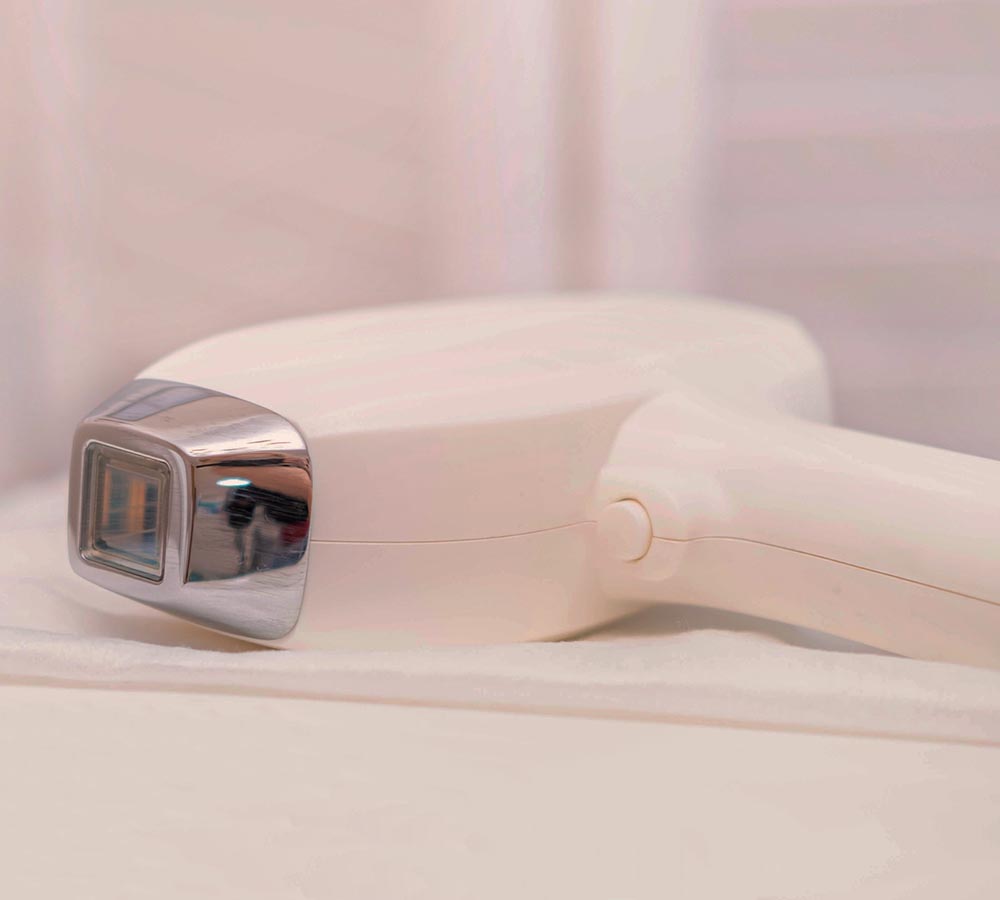
Technology
- The laser uses a specific wavelength (808 nm for the diode laser) that penetrates deeply, focusing solely on the melanin in the hair.
- IPL (Intense Pulsed Light), on the other hand, uses a broader and less focused range of wavelengths, which are absorbed not only by the melanin in the hair but also by the surrounding skin.
Adaptability
- The laser is suitable for a wide range of skin types, including darker tones, because it selectively targets the hair without damaging the skin.
- IPL, however, is less effective on dark or tanned skin and delivers less satisfactory results on light or fine hair.
Number of Sessions
- With the laser, an average of 6-12 sessions is needed to achieve nearly permanent results, with minimal annual touch-ups.
- IPL, on the other hand, requires more sessions and more frequent maintenance appointments, as hair tends to grow back more quickly.
Safety
- The laser is safer and more controlled, especially when used by an experienced professional.
- IPL, being less selective, can more easily cause redness, irritation, or, in rare cases, burns.
And What About Waxing?
Waxing is undoubtedly a quick and easy method that can be done at home or in a salon, but it has its limitations. While it removes hair at the root, it doesn’t affect the follicle, meaning regrowth starts just a few weeks later. Additionally, waxing is painful, can cause irritation, and may worsen issues like ingrown hairs or folliculitis.
What Is the Best Choice?
If you’re looking for a practical, long-lasting, and convenient solution, the diode laser is your best ally. It offers visible, permanent results over time, is less bothersome than waxing, and is much more effective…
Is It Really Worth It?
Absolutely yes, if you’re looking for a long-term solution to get rid of unwanted hair. The 808 nm diode laser is a safe, effective, and versatile treatment. While it requires consistency and an initial investment, the benefits are tangible and long-lasting. It allows you to say goodbye to the hassle of waxing and constant shaving, while also improving the appearance and health of your skin.
Understanding the pros and cons will help you make an informed decision and approach the treatment with realistic expectations. When performed with the right tools and by skilled professionals, the diode laser is truly a game-changer for anyone seeking smooth, hair-free skin!

Conclusion: Why Choose 808 nm Diode Laser Hair Removal
In short, 808 nm diode laser hair removal is more than just an aesthetic treatment—it’s a true revolution for anyone looking to get rid of unwanted hair effectively, safely, and permanently. Unlike traditional methods such as waxing or shaving, it not only saves you time and effort but also improves the quality of your skin, reducing issues like folliculitis and ingrown hairs.
Of course, it’s a process that requires some consistency and an initial investment, but the benefits are undeniable: smooth, hair-free skin for the long term. Think about it: no more painful waxing sessions, no more disposable razors, and no more stress about staying perfectly groomed. It’s a choice that simplifies your routine, giving you more time and energy for the things you truly love.
It’s crucial, however, to rely on qualified professionals. Every skin type is different, and only skilled hands can ensure safe and personalized results tailored to your specific needs. When you choose laser hair removal, you’re choosing to care for yourself in a thoughtful and targeted way. Your skin deserves the best, and the diode laser is a tool that can truly make a difference.
If you’re ready to say goodbye to unwanted hair and discover how diode laser hair removal can change your life, don’t wait. Schedule a consultation and start your journey to smoother, healthier, worry-free skin. The first step toward transformation might be closer than you think!
Now that you have all the answers, you’re ready to begin your laser hair removal journey with confidence and peace of mind. If you have any other questions, don’t hesitate to ask—a professional will guide you toward smooth, worry-free skin.
Do You Have Questions? Let’s Talk!
If you have doubts, curiosities, or simply want to learn more about laser hair removal, I’m here to answer all your questions. Click on the Contact link and write to me! I’d be happy to help you discover whether this treatment is the right choice for you.
FAQ
How Many Sessions Are Needed?
The number of sessions depends on various factors, such as the area of the body being treated, skin type, hair color, and thickness. In general, 6-8 sessions are required to achieve visible and lasting results, but in some cases, up to 12 sessions may be necessary.
Is the Treatment Painful?
No, the diode laser is designed to be as comfortable as possible! Thanks to modern cooling systems that protect the skin during treatment, discomfort is minimal. At most, you may feel a slight warmth or a mild tingling sensation, similar to the snap of a rubber band. Sensitive areas, such as the face or bikini line, may feel slightly more uncomfortable, but it’s a temporary and manageable sensation. Additionally, pain tolerance varies from person to person, so it’s important to communicate any discomfort to the professional so they can adjust the laser intensity accordingly.
How Long Do the Results Last?
After completing the treatment cycle, the results are long-lasting. Most people eliminate about 70-90% of their hair, which will not grow back in the same way. However, the human body can continue to stimulate new hair follicles over time, especially in cases of hormonal imbalances, pregnancy, or menopause. For this reason, it’s recommended to have annual touch-up sessions (typically 1-2 times per year) to maintain smooth skin.
What Results Can I Expect After Each Session?
After the first session, you’ll notice that approximately 10-20% of the hairs will fall out naturally within 1-2 weeks. As the sessions progress, the remaining hairs will become increasingly finer, sparser, and weaker, eventually reducing almost entirely.
Can I Get the Treatment in Summer?
Yes, but with certain precautions. If your skin is tanned, the laser may be less effective because the contrast between the skin and hair is reduced. It’s crucial to avoid sun exposure for at least one week before and after each session and always apply a high-protection sunscreen (SPF 50+).
Does the Laser Work on All Skin Types?
The 808 nm diode laser is safe and effective for almost all skin types, including darker tones. However, it is not effective on white or very light hair, as it lacks the melanin necessary to absorb the laser’s light.