Table of Contents
A Spa Treatment, an Essential Self-Care Ritual
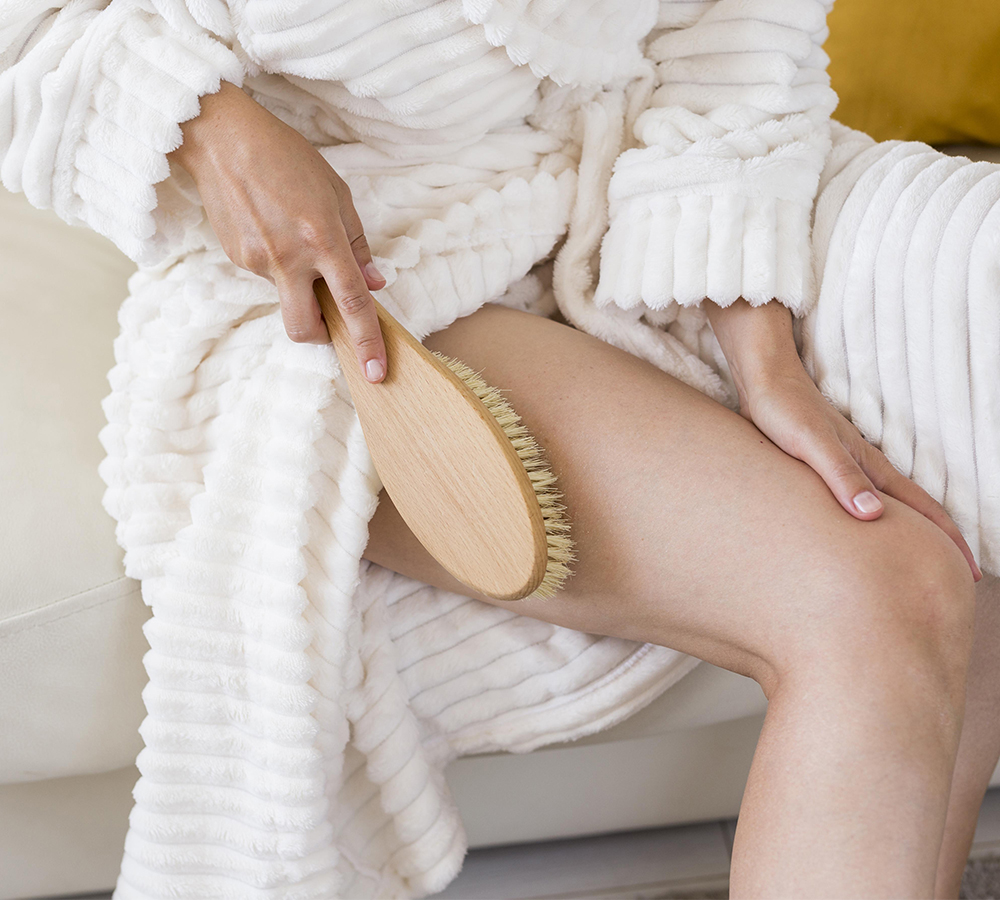
Dry brushing, also known as dry body brushing, is a beauty practice increasingly appreciated both in professional spa treatments and home self-care routines. This simple yet effective technique involves the use of brushes with natural bristles and wooden handles, designed to gently exfoliate the skin, stimulate circulation, and promote smoother, firmer, and more radiant skin.
I discovered dry brushing during my training at the aesthetics academy, where it was introduced as a holistic spa treatment. The ritual included the use of warm, damp cloths on the hands and feet as a point of contact before the brushing began, creating a deeply relaxing experience. It was one of the techniques I appreciated the most, not only for its aesthetic benefits but also for the profound sense of well-being it provided. Despite its effectiveness, I have rarely seen this treatment offered in spas, but if I were to open my own wellness center someday, it would undoubtedly be one of the treatments I’d feature.
Originally inspired by ancient traditions rooted in well-being, dry brushing is experiencing a resurgence in popularity thanks to the growing interest in holistic treatments that combine aesthetic care with health benefits. Its multifunctional properties make it the perfect ally, not only for enhancing the appearance of the skin but also for supporting the body’s detoxification process and promoting an overall sense of vitality.
Its effectiveness lies in the simplicity of the technique: brushing dry skin not only removes dead cells and stimulates cellular renewal but also activates blood and lymphatic flow. This results in softer, more even skin while also helping to reduce water retention and the visibility of cellulite, improving skin elasticity.
Whether you’re seeking a moment of regenerating relaxation or a targeted treatment for specific aesthetic needs, dry brushing is a small ritual that, when practiced consistently, can transform your daily body care routine into a luxurious and rewarding experience. It’s also an excellent self-care treatment to practice at home, especially for those who want to maintain smooth and radiant skin while reducing the appearance of cellulite and enhancing overall well-being.
The Origins of Dry Brushing: An Ancient Universal Ritual
Dry brushing has ancient origins rooted in various cultures across the globe. While specific techniques differed, the central idea was always the same: to purify the body, stimulate circulation, and promote physical and emotional well-being.
From ancient Greece and Rome, where tools like strigils were used to exfoliate the skin before thermal baths, to the Ayurvedic traditions of India, which employed the Garshana massage to detoxify and restore balance to the body, the concept of brushing has been a key element in wellness rituals. Similarly, in Japan, during purification ceremonies, and within tribal cultures, brushing was a way to renew both body and spirit.
Today, dry brushing revives these ancient principles, adapting them to modern needs. It is a treatment that bridges tradition and innovation, offering a practical and versatile solution for body care, while renewing a ritual that transcends time and cultures.

Benefits of Dry Brushing
Exfoliation: The Key to Radiant and Healthy Skin
One of the primary benefits of dry brushing is its ability to exfoliate the skin gently yet effectively. The process targets the skin’s surface, removing dead cells that accumulate over time and can leave the skin looking dull, rough, uneven, or flaky. This natural cellular renewal not only improves skin texture but also prepares it to better absorb subsequent treatments such as moisturizers, nourishing oils, or targeted body care products.
Thanks to the natural bristles of the brush, dry brushing is a form of mechanical exfoliation that, unlike scrubs or chemical peels, does not require additional products, making it a sustainable and straightforward practice to incorporate into a daily routine. Its gentle action is also suitable for sensitive skin, avoiding the use of abrasive agents that might cause irritation.
Regular exfoliation with dry brushing also helps prevent ingrown hairs, keeping pores clear and reducing skin imperfections. After each session, the skin feels noticeably smoother, softer, and more radiant, restoring a healthy, youthful appearance. This aesthetic benefit is paired with a sensation of lightness and freshness, making dry brushing not just a beauty treatment but a true wellness ritual.
Stimulation of Blood and Lymphatic Circulation: A Boost to Overall Wellness
One of the most significant advantages of dry brushing is its ability to stimulate blood circulation and the lymphatic system. The rhythmic, upward movements directed toward the heart, performed with the brush, promote more efficient blood flow, delivering oxygen and essential nutrients to skin cells and underlying tissues. This increase in microcirculation not only gives the skin a healthier and more radiant appearance but also supports the body’s natural regenerative processes.
Simultaneously, dry brushing acts as a powerful ally for the lymphatic system, which is responsible for eliminating toxins and excess fluids. By stimulating the lymphatic vessels through brushing movements, it helps reduce water retention, alleviating the uncomfortable sensation of swelling and heaviness, especially in the legs and areas prone to fluid accumulation. This detoxifying effect also translates into a greater sense of lightness and vitality.
Thanks to this dual action, dry brushing proves to be an effective tool in combating cellulite. By improving circulation and encouraging lymphatic drainage, it helps minimize the appearance of dimpling and orange peel-like skin. With regular practice, noticeable improvements in skin tone and firmness can be achieved.
Beyond its aesthetic benefits, this advantage positively impacts overall well-being, as a more efficient blood and lymphatic circulation supports the balance of the entire body. Dry brushing, therefore, is not just a treatment to enhance the skin’s appearance but a daily gesture that promotes health and holistic wellness.
Detoxification: A Natural Aid for Body Purification
One of the most profound benefits of dry brushing is its ability to promote detoxification through the stimulation of the lymphatic system. Often referred to as the “body’s drainage system,” the lymphatic system is responsible for eliminating toxins, cellular waste, and excess fluids. However, unlike the cardiovascular system, the lymphatic system lacks a dedicated pump like the heart and relies on muscle movements and external techniques, such as dry brushing, to maintain fluid flow.
Through regular, deliberate movements directed toward key lymph nodes located in areas like the neck, armpits, and groin, dry brushing stimulates lymphatic flow, facilitating the removal of toxins and promoting a healthier internal balance. This process not only benefits the skin but also supports the functions of other organs involved in detoxification, such as the liver and kidneys. Many individuals report feeling more energized and lighter as their bodies become more efficient at eliminating unwanted substances that can cause bloating, fatigue, and even inflammation.
Incorporating dry brushing into your daily routine is not just a way to enhance your external appearance but also a mindful act of self-care that nurtures internal wellness. Its detoxifying action helps create a natural balance within the body, allowing it to function at its best and maintain long-term health.
By stimulating the lymphatic system regularly, dry brushing can also reduce the body’s overall toxic load, which may help improve the immune system. A well-functioning lymphatic system is crucial for defending the body against illnesses and infections, making dry brushing a simple yet impactful way to support overall vitality.
In addition to its health benefits, the detoxification process promoted by dry brushing enhances skin clarity and radiance. As the body expels toxins more efficiently, the skin becomes a clearer reflection of internal health, appearing brighter, smoother, and more youthful. This dual benefit—combining inner balance with outer beauty—makes dry brushing a holistic ritual that truly bridges wellness and aesthetics.
Skin Firming: Elasticity and Tightness for a Youthful Appearance
One of the most appreciated benefits of dry brushing is its ability to firm the skin, visibly improving its elasticity and tightness. With gentle yet purposeful movements of the brush, the skin’s tissues are stimulated, providing a revitalizing effect that impacts both the superficial and deeper layers of the skin. This regular stimulation helps counteract the loss of firmness that can occur over time due to factors such as stress, aging, weight fluctuations, or a sedentary lifestyle.
Dry brushing supports microcirculation, increasing the supply of oxygen and essential nutrients to skin cells. This process not only enhances the skin’s health and radiance but also stimulates the production of collagen and elastin—two key components for maintaining skin elasticity and resilience. It is particularly beneficial in areas prone to sagging, such as the inner thighs, abdomen, arms, and glutes. Incorporating it into your daily routine helps keep these areas firmer and more toned, complementing body contouring or weight-loss programs. Over time, consistent practice can reduce the appearance of skin laxity, giving the skin a more youthful and toned look.
Beyond its aesthetic effects, the benefit of skin firming has a positive impact on overall well-being. Feeling your skin firmer and more resilient contributes to a boost in self-confidence, making this practice not just a physical treatment but a deeply personal and nurturing experience.
With regularity, dry brushing evolves into a ritual that transforms daily skincare into a moment of complete renewal, helping to maintain a healthy, vibrant appearance over time.
Relaxing Effect on the Nervous System: A Gentle Touch for Body and Mind
In addition to its numerous physical benefits, dry brushing stands out for its positive effect on the nervous system. The gentle stimulation of the skin through light, superficial brush movements directly engages the nerve endings located in the outermost layer of the epidermis. This type of stimulation sends calming signals to the nervous system, promoting an immediate sense of well-being and relaxation.
When practiced regularly, dry brushing becomes a true anti-stress ritual. Its rhythmic and meditative nature can transform just a few minutes of your day into a moment of peace and self-connection. This makes it particularly beneficial for those with busy lives or for anyone dealing with emotional or physical tension.
In spa treatments, dry brushing takes on added value. Integrated into broader wellness programs, it is not only used for its aesthetic effects but also to create a holistic experience of regeneration for both body and mind. The combination of exfoliation, improved circulation, and the relaxing stimulation of nerve endings makes this technique an essential treatment for anyone looking to unwind and restore inner balance. Regular practice also helps reduce cortisol levels, the hormone associated with stress, leading to overall improvements in mood and sleep quality. This sense of calm translates into a greater ability to face daily challenges with ease.
Incorporating dry brushing into your self-care routine or selecting it as part of a spa treatment is an excellent way to care for not only your body but also your mind. Its ability to promote relaxation and well-being, combined with its other benefits, makes it a powerful secret weapon for those seeking a perfect balance between beauty and tranquility.
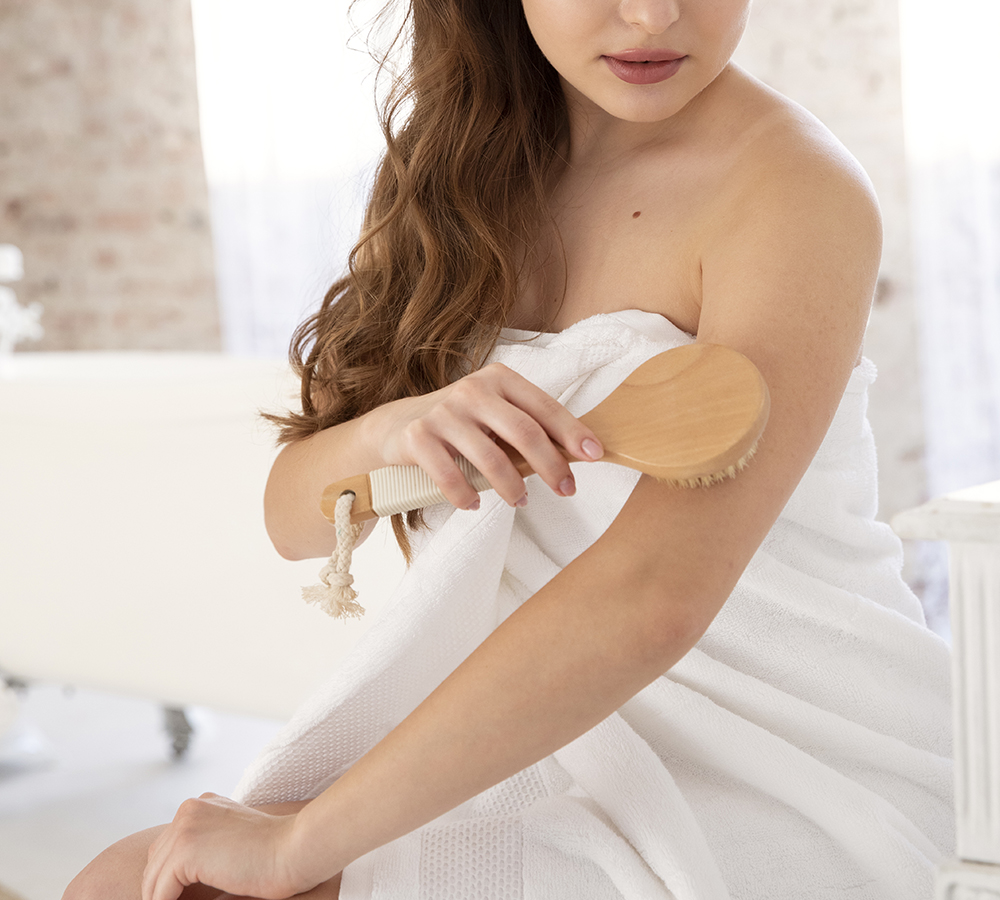
How to Practice Dry Brushing at Home
Choose the Right Brush: Materials, Bristle Types, and Buying Tips
To maximize the benefits of dry brushing, selecting the right brush is essential. Not all brushes are the same, so it’s important to choose one that suits your skin type and personal needs while ensuring an effective and comfortable treatment.
Types of Bristles
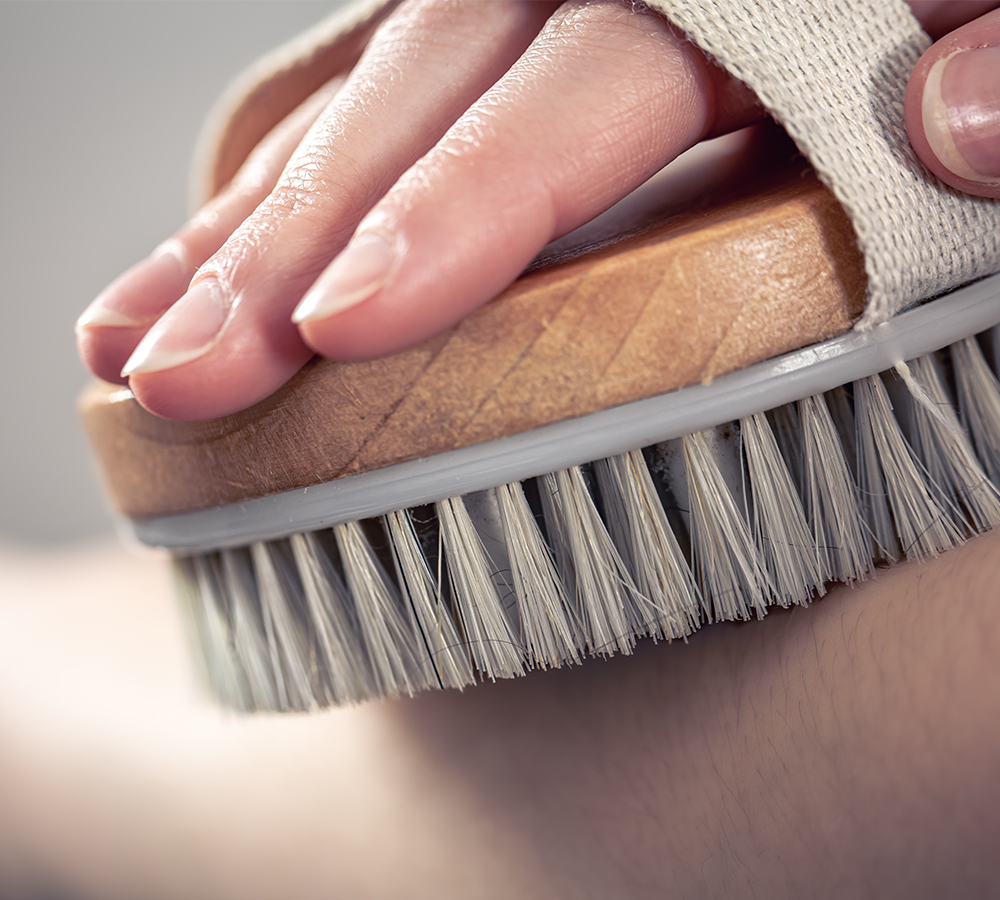
Natural bristles are the ideal choice for dry brushing, as they are gentler on the skin compared to synthetic ones and provide a pleasant sensation during use. Some of the most common options on the market include:
- Tampico Bristles: Derived from a type of agave, these bristles are slightly firm and suitable for normal or resilient skin. They are ideal for deep exfoliation.
- Boar Bristles: Softer than Tampico bristles, they are perfect for sensitive skin or for those new to dry brushing.
- Plant-Based Bristles: Made from materials such as coconut or palm fibers, these are a vegan and sustainable option with a moderately firm texture.
The Handle
The handle of the brush also plays an important role, not only in terms of practicality but also for durability and comfort during use. Most high-quality brushes come with a wooden handle, often chosen for its sturdiness and natural beauty. Common types include:
- Beechwood: Durable and moisture-resistant, ideal for daily use.
- Bamboo: An eco-friendly choice thanks to its sustainability, lightweight, and easy to handle.
- Acacia Wood: Elegant and robust, adding a touch of luxury to the product.
Where to Buy
Dry brushing brushes are widely available both online and in physical stores.
- Online Stores: Platforms like Amazon and e-commerce sites specializing in natural and sustainable cosmetics (e.g., Ecco Verde or Greenweez) offer a wide selection with helpful reviews to guide your choice.
- Natural Product Stores: Chains like NaturaSì, perfumeries, or herbal shops often include dry brushing brushes in their product range.
- Spas and Wellness Centers: Many spas sell professional-grade brushes used during treatments, ensuring a high-quality product.

When selecting your brush, consider not only the quality of the materials but also its practicality. Some brushes feature long handles, making it easier to reach areas like the back, while others have a more compact ergonomic grip for greater precision on arms and legs. Additionally, ensure the bristles are of medium firmness: overly stiff bristles could irritate the skin, while overly soft ones might not provide adequate exfoliation.
A well-chosen brush not only optimizes the results of dry brushing but also transforms the entire experience into a beauty and wellness ritual. By choosing carefully, you can seamlessly integrate this tool into your daily routine and enjoy all its benefits with maximum comfort.
Dry Skin: The Ideal Time for Dry Brushing
One of the key tips for maximizing the benefits of dry brushing is to perform it on dry skin. This step is crucial as it optimizes the exfoliating effect and more effectively stimulates blood and lymphatic circulation. Dry skin allows for direct and even contact between the brush bristles and the skin’s surface, ensuring a deeper and more targeted treatment.
Why Before Showering?
Dry brushing is especially recommended before showering, and I can personally vouch for this habit. By brushing on dry skin, dead cells are gently removed and remain on the skin’s surface. Immediately afterward, showering becomes essential to completely wash away these residues, leaving the skin incredibly clean, soft, and ready to absorb any moisturizing or nourishing products applied afterward.
In my daily routine, I practice dry brushing in the evening before a rejuvenating shower. This simple act not only helps me unwind after a long day but also leaves my skin smooth and radiant. Additionally, I find this moment to be an opportunity to relax and focus on self-care, transforming a beauty ritual into a holistic wellness experience.
A Complete Ritual
After dry brushing and showering, applying a moisturizer or body oil is the natural next step. Thanks to the exfoliated skin and stimulated blood flow, the active ingredients in these products penetrate more easily, enhancing the benefits of the treatment.
Incorporating dry brushing into your daily routine may seem like a small gesture, but its impact on the health and appearance of your skin is significant. The combination of exfoliation and showering turns this ritual into a perfect opportunity for self-care, offering a rejuvenating pause even on the busiest days. For this reason, I recommend trying this practice for at least a week to discover how it can transform not only your skin but also your overall sense of well-being.

How to Do It Best
Start from the Feet and Work Upwards: To promote circulation, it’s important to follow a path that moves toward the heart. Use long, fluid strokes on the legs and arms, while on areas like the abdomen or back, circular motions are more effective.
Moderate Pressure: There’s no need to apply excessive force. The brushing should be effective yet comfortable, without causing redness or irritation. For an even gentler experience, consider following each stroke of the brush with your hand in an alternating motion.
Spend Extra Time on Critical Areas: Zones such as the thighs, glutes, and abdomen can benefit from additional attention, especially if your goal is to reduce the appearance of cellulite or improve skin firmness.
When practicing dry brushing, proper movements are essential to maximize the benefits of the treatment. More than just a simple action, the brush strokes should follow a precise logic that not only enhances the effectiveness of the massage but also ensures a pleasant and safe experience.
Natural Flow and Steady Rhythm
The principle behind dry brushing is to follow the body’s natural lymphatic and blood flow. To achieve this, maintaining a steady rhythm during brushing is key. There’s no need to rush: each stroke should be performed with care, allowing the brush to work deeply without causing discomfort.
Specific Areas to Target
While the primary focus is typically on the legs, arms, and torso, it’s important not to overlook other areas that can benefit from dry brushing:
- Glutes and Lower Back: These areas, often prone to tension and fluid retention, can be treated with more vigorous circular motions.
- Neck and Shoulders: Use a brush with softer bristles for these delicate areas to encourage muscle relaxation.
- Soles of the Feet and Palms of the Hands: Stimulating these areas with circular motions can promote additional relaxation and improved peripheral circulation.
Avoid Sensitive or Irritated Areas
While dry brushing is generally safe, it’s essential to avoid areas with open wounds, rashes, or very dry, cracked skin. For particularly sensitive skin, consider using a brush with softer bristles and applying less pressure. If you encounter areas with thinner or more sensitive skin, adjust your technique with gentler strokes or skip those areas entirely.
Customize the Practice to Your Body
Everyone’s sensitivity is different, and dry brushing should be a personalized experience. During the first few sessions, pay close attention to how your skin responds and adjust the intensity and frequency accordingly. If you’re new to dry brushing, starting with a softer brush and gradually transitioning to firmer bristles as your skin adapts can be helpful for achieving the best results.
Experiment to Find Your Perfect Technique
Over time, you may discover that certain techniques work better for you than others. For instance, I’ve found that alternating between linear and circular motions on different areas of the body makes the treatment more thorough and helps reach challenging spots like the hips or the center of the back—areas that can’t be easily addressed with a traditional scrub or peel.
Practicing dry brushing with mindful attention to your movements not only ensures better results but also transforms the treatment into a moment of self-care and body awareness. By following these tips, you can seamlessly incorporate this technique into your routine, enjoying all its benefits without stress or hassle.
Experiment with Intensity
During the first few sessions, experimenting with different levels of pressure is an excellent way to find what works best for your skin. For example, I often apply firmer pressure to areas with more water retention, such as the thighs and glutes, and use gentler strokes on sensitive areas like the abdomen and inner arms.
Adjust Pressure to Frequency
If you practice dry brushing daily, you may need to maintain a lighter pressure to avoid over-sensitizing your skin. If you brush only 2-3 times per week, you can apply slightly firmer pressure, as your skin will have more time to recover between sessions.
Warning Signs
After a session, a slight redness is normal and indicates that circulation has been stimulated. However, if you notice persistent irritation or discomfort, it’s likely that the pressure was too intense. In this case, reduce the intensity during your next session and consider using a brush with softer bristles.
Practicing dry brushing with the right level of pressure not only ensures optimal results but also makes the treatment an enjoyable self-care ritual. With time and experience, you’ll find the perfect balance that allows you to fully reap the benefits of this technique.
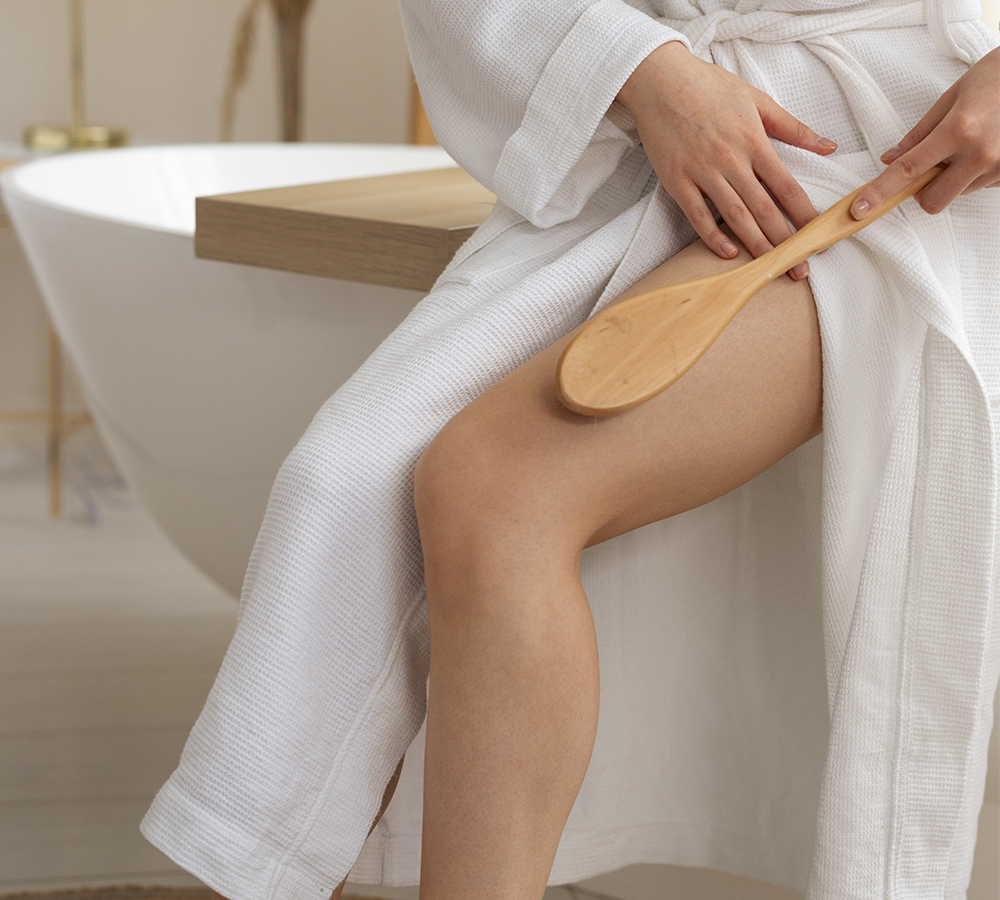
Duration: How Much Time to Dedicate to Dry Brushing for Optimal Results
The duration of your dry brushing session is a key factor in ensuring an effective, relaxing treatment tailored to your needs. While it is a simple and quick technique, knowing how much time to dedicate can make the difference between an occasional habit and a fully integrated beauty ritual.
5–10 Minutes: The Ideal Timeframe
Generally, 5–10 minutes are enough for a complete dry brushing session. This duration is sufficient to treat all major areas of the body, ensuring effective exfoliation and improved circulation. However, the time can vary depending on factors such as your experience level, available time, and the specific areas of the body you wish to focus on.
Adjusting Duration and Frequency to Your Needs
- For Those Short on Time: Even just 3–5 minutes focusing on the legs, arms, and glutes can provide significant benefits, especially when practiced daily.
- For a Full Treatment: If you have more time, you can dedicate 10–15 minutes, including often overlooked areas such as the neck, upper back, and abdomen. This duration is perfect for a relaxing, in-depth session, perhaps during the weekend.
It’s also important to balance the frequency of your sessions. If you practice dry brushing daily, shorter sessions may be sufficient to avoid overstressing the skin. For instance, I brush every day but only pass over the same spot once or twice. Conversely, if you only dry brush 2–3 times per week, you might prefer slightly longer sessions to compensate for the lower frequency.
Customized Zones and Timing
You can also tailor the duration of your dry brushing session based on the areas of the body you wish to focus on:
- Spend 1–2 minutes on each leg and arm, ensuring thorough coverage.
- Allocate 1–2 minutes for the abdomen, using gentle circular motions.
- Treat the glutes and back with more vigorous movements for a total of 2–3 minutes.
By customizing the time spent on each area, you can create a routine that meets your specific needs while maximizing the benefits of dry brushing.
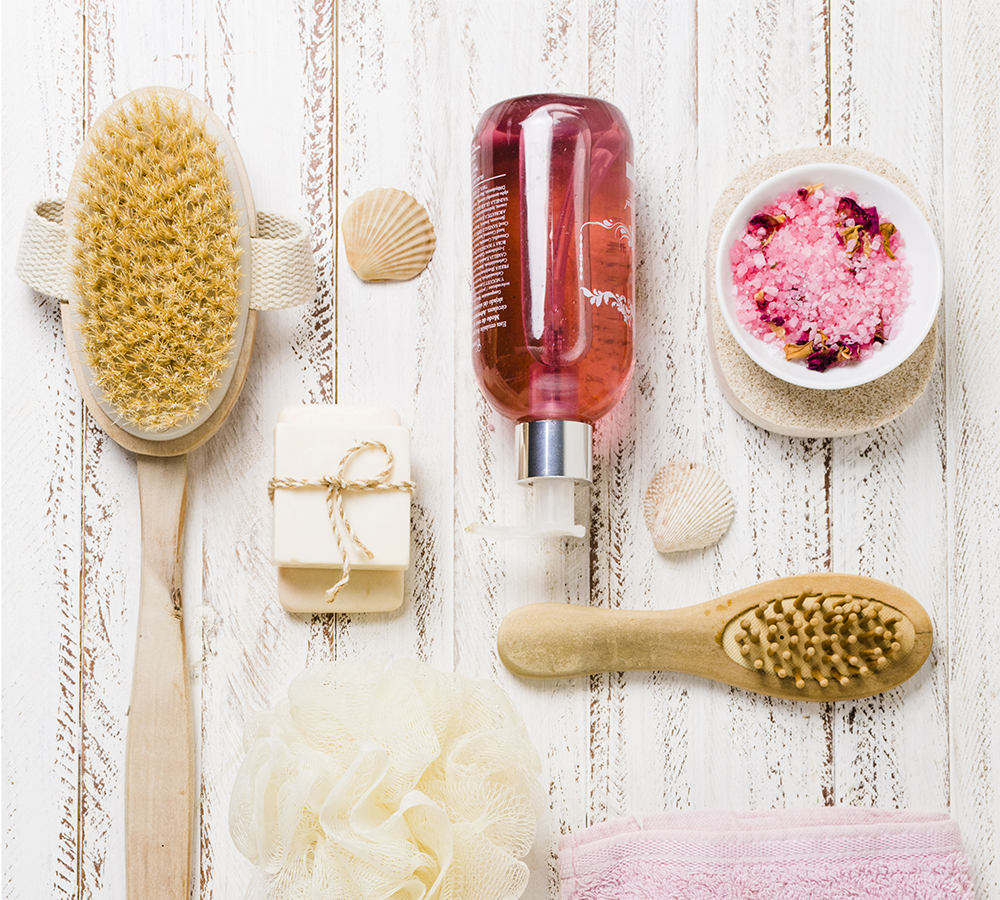
Shower and Hydration: The Perfect Finale for Your Dry Brushing Ritual
Dry brushing is not complete without the follow-up steps of showering and moisturizing, which represent the final phase to enhance the benefits of the treatment and leave your skin deeply rejuvenated. These moments are essential to ensure that your skin is not only exfoliated but also thoroughly cleansed and nourished, ready to shine.
The Shower: Removing Dead Skin Cells and Revitalizing
After brushing, a shower becomes essential to wash away the dead skin cells loosened by the dry brushing process. Personally, I prefer using lukewarm water, which is warm enough to open the pores and facilitate cleansing but not so hot as to dry out the skin.
- Gentle Soaps: During your shower, choose mild cleansers, preferably sulfate-free, to avoid disrupting the natural balance of your freshly exfoliated skin.
- Complete Natural Exfoliation: Use circular motions as you apply the cleanser to naturally complete the exfoliation process.
- Temperature Alternation: If you’re accustomed to it, alternating hot and cold water during your shower can further stimulate circulation, amplifying the benefits of dry brushing.
Hydration: The Final Touch for Soft and Nourished Skin
Incorporating showering and hydration into your dry brushing ritual is not just a good practice but a necessary step to ensure your skin gets everything it needs: cleansing, nourishment, and protection. With this final touch, your skin will be smooth, radiant, and deeply nourished—ready to face the day or regenerate overnight.
When done mindfully, this step transforms a simple beauty treatment into a holistic self-care experience. Each time you complete the ritual, you’ll feel your skin—and yourself—completely renewed.
Choose the Right Product: Opt for a rich moisturizer, a body butter, or a natural oil, such as sweet almond, jojoba, or coconut oil. If you’re looking for a targeted treatment, consider anti-cellulite or firming products that take advantage of this moment to penetrate more effectively.
Apply with Gentle Massages: To maximize absorption, apply the product using circular motions, following the same path as your dry brushing (starting from the feet and moving upward). This not only extends the benefits of the treatment but also further enhances circulation.
This final step is not just functional—it’s also an opportunity to relax and connect with your body. Take a few extra minutes to slowly massage the cream or oil, turning this action into a wellness ritual.
Specific Routines for Different Needs
- Dry or Sensitive Skin: If your skin tends to dry out, choose moisturizers with nourishing ingredients like shea butter, hyaluronic acid, or ceramides to restore the skin’s barrier.
- Toning Effect: For a more toning effect, select essential oils like rosemary or grapefruit, known for their stimulating and firming properties.
- Calming Action: For a relaxing effect, opt for products enriched with lavender or chamomile—perfect for an evening routine.
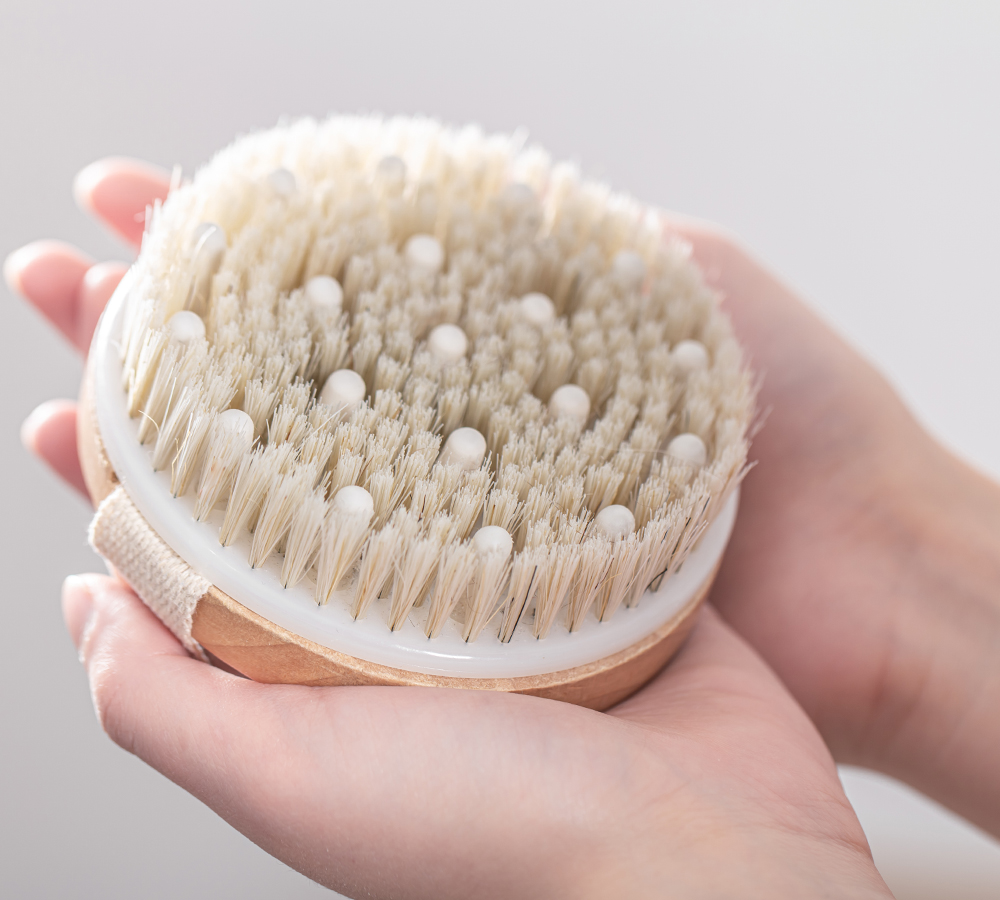
Brush Hygiene: An Essential Step for Safe and Effective Dry Brushing
Maintaining your dry brushing brush clean and in good condition is crucial for ensuring a safe, hygienic, and effective treatment. Since the brush directly contacts your skin, removing dead cells and impurities, regular cleaning is essential to prevent the buildup of bacteria, skin debris, and natural oils.
How to Clean Your Brush
Wash with Water and Mild Soap:
- Immerse the bristles in lukewarm water with a small amount of mild, fragrance-free soap to preserve the integrity of the natural bristles.
- Use your fingers to gently massage the bristles, removing any accumulated residues. Avoid fully submerging the wooden handle, as water can damage or swell the wood.
Thorough Rinse:
- Rinse the bristles under lukewarm running water to remove all soap traces. Leftover soap can irritate your skin during use.
Complete Drying:
- Gently pat the bristles with a clean towel to remove excess moisture.
- Allow the brush to air dry completely in a well-ventilated area, with the bristles facing downward or in a spot where moisture won’t accumulate. Avoid direct sunlight, as it can weaken natural bristles.
Cleaning Frequency
- Weekly Cleaning: For daily use, clean the brush at least once a week to maintain proper hygiene.
- Monthly Cleaning: For less frequent use (e.g., 2-3 times per week), cleaning once a month is sufficient, but ensure you remove visible dust or residues after every use.
Handle Maintenance
Since the handle is often made of natural wood, it’s important to care for it to ensure its longevity. Once a month, you can wipe the handle with a slightly damp cloth and, if needed, apply a natural oil (such as linseed oil) to keep the wood hydrated and protected.
Brush Replacement
Even with regular maintenance, dry brushing brushes have a limited lifespan. The bristles may wear down or lose their effectiveness with frequent use. It’s recommended to replace your brush every 6–12 months, depending on usage frequency and the condition of the bristles.
Additional Hygiene Tips
- Do Not Share the Brush: For hygiene reasons, the brush should be a personal item, much like a toothbrush.
- Remove Residues After Each Use: After every dry brushing session, gently shake the brush or rub two brushes together to remove any visible debris.
- Pay Attention to Odors: If you notice an unpleasant smell or a change in the texture of the bristles, it may be time to clean the brush or replace it.
Caring for your brush is a simple yet essential step to prolong its life and ensure a safe and effective treatment. A well-maintained brush not only enhances the dry brushing experience but also ensures your skin receives maximum benefits without the risk of irritation or infection.
Contraindications: How to Practice Dry Brushing Safely
Dry brushing is a simple and beneficial technique, but it requires certain precautions to ensure the treatment is both safe and effective, tailored to your skin’s specific needs. Paying attention to existing skin conditions and choosing the right tools can make the difference between a pleasant experience and a treatment that might cause irritation or discomfort.
Avoid Problematic Areas
To prevent damage or worsening of pre-existing conditions, it’s crucial to avoid brushing over:
- Open Wounds: Brushing areas with cuts, scrapes, or abrasions could slow the healing process and increase the risk of infection.
- Skin Rashes: Conditions such as dermatitis, eczema, or active psoriasis can be exacerbated by dry brushing, as the bristles may further irritate compromised skin.
- Irritated or Inflamed Areas: Any region showing redness, swelling, or sensitivity should be avoided to prevent additional discomfort.
Adjust Brushing for Sensitive Skin
If you have delicate or redness-prone skin, adopting a gentler approach is essential:
- Start with Soft Bristles: Brushes with softer bristles, such as boar hair or delicate plant-based fibers, are ideal for beginners or those with particularly sensitive skin.
- Reduce Pressure: Begin with light strokes and gradually increase intensity as your skin adapts.
- Limit Frequency: If your skin is prone to reactions, limit dry brushing to 1–2 times a week to avoid over-exfoliation.
Skin Warning Signs
During and after dry brushing, pay close attention to the signals your skin may give you:
- Temporary Redness: A slight redness is normal and indicates that circulation has been stimulated. However, if the redness persists or becomes too intense, you may have applied too much pressure.
- Itching or Irritation: If you experience discomfort or a burning sensation, stop immediately and consider using a softer brush or reducing the frequency of sessions.
Specific Skin Conditions
- Very Dry or Flaky Skin: Avoid dry brushing over extremely dry areas, as it may worsen the condition. In such cases, hydrate the skin generously before resuming the treatment.
- Mature Skin: Mature skin tends to be thinner, so adopt a gentler approach and use softer brushes to prevent damage.
Consult a Professional
If you have any doubts about your suitability for dry brushing, consult a dermatologist or an aesthetic professional. This is especially important if you have chronic skin conditions or other medical concerns that could be affected by the treatment.
Prevention Is Better Than Cure
By following these precautions, dry brushing can become a safe and enjoyable ritual, avoiding unwanted issues and maximizing the benefits. Remember: it’s always better to care for your skin gently than risk unnecessary irritation. With a little attention, you can enjoy all the advantages of dry brushing without compromising your skin’s health.
Dry Brushing: A Simple and Effective Self-Care Practice
Dry brushing is a straightforward and effective technique that can easily be integrated into your self-care routine. Beyond its aesthetic benefits, it offers a moment of relaxation and connection with your body. With consistency and care, you can achieve healthier, smoother, and more radiant skin while improving circulation and reducing the appearance of cellulite.
Want to Learn More? Get in Touch!
If this article has sparked your curiosity or you’d like to dive deeper into the world of dry brushing, I’m here for you! I’d be delighted to discuss this practice, its benefits, or how to integrate it into your self-care routine or spa treatments.
📩 Reach out to me through my social media channels or via email, and I’ll be happy to answer your questions or simply share tips and experiences. Wellness is a journey we can take together!
FAQ
What is dry brushing?
Dry brushing is a mechanical exfoliation technique that involves using a natural-bristle brush to remove dead skin cells from the surface of the skin. It’s particularly valued for its additional benefits, such as stimulating circulation and the lymphatic system.
How does dry brushing differ from a traditional scrub?
Dry brushing uses a dry brush to exfoliate the skin, while a traditional scrub employs granular products (such as sugar or salt) combined with oils or creams. Brushing is gentler and doesn’t require water or additional products, making it a sustainable and practical choice.
How is dry brushing different from enzymatic or chemical exfoliants (AHA, BHA, PHA)?
Dry brushing: A mechanical exfoliation that works on the skin’s surface.
Enzymatic exfoliants: Use natural enzymes (e.g., papain or bromelain) to gently dissolve dead skin cells.
AHA, BHA, PHA: Chemical acids that penetrate deeper than brushing, helping remove dead skin cells, treat acne (BHA), improve skin texture, and stimulate cell renewal.
Can dry brushing replace a scrub or chemical exfoliant?
Not necessarily. Dry brushing is a complementary technique, ideal for light daily exfoliation, while scrubs or chemical exfoliants can be used weekly for a deeper, more targeted treatment.
Who is dry brushing recommended for?
It’s suitable for those looking to improve skin texture, stimulate circulation, and reduce the appearance of cellulite. However, it should be avoided if you have highly sensitive skin, active skin conditions, or open wounds.
How often should I practice dry brushing?
It’s recommended to start with 2–3 times a week and gradually increase to daily practice if your skin tolerates it well.
What are the main benefits of dry brushing?
– Gentle exfoliation.
– Stimulation of blood and lymphatic circulation.
– Improved skin texture and firmness.
– Reduced water retention and cellulite visibility.
– A sense of relaxation and overall well-being.
When is the best time for dry brushing?
The ideal time is in the morning before showering. Brushing stimulates the body and leaves your skin ready to absorb moisturizing products applied afterward.
What should I do after dry brushing?
After brushing, take a shower to remove dead skin cells and apply a moisturizer or oil to nourish the skin. Products containing ingredients like hyaluronic acid or natural oils are perfect for enhancing the benefits of the treatment.
Are there any contraindications for dry brushing?
Yes, avoid dry brushing on irritated skin, rashes, open wounds, or conditions like eczema and active psoriasis. If you have sensitive skin, start with a soft-bristle brush and limit the frequency to 1–2 times per week. Consult a dermatologist if you’re unsure.